
Understanding the Wim Hof Method
The Wim Hof Method (WHM) has gained massive popularity over the past decade, with millions practicing the technique worldwide. But what does science actually say about it? Let's separate the hype from the evidence.
 The 2014 PNAS study proved for the first time that humans can voluntarily influence their immune system—participants showed 200% higher adrenaline levels and significantly fewer symptoms when injected with E. coli endotoxin
What Is the Wim Hof Method?
The WHM consists of three pillars:
- Controlled breathing - Cycles of deep breathing followed by breath retention
- Cold exposure - Gradual exposure to cold water or air
- Commitment - Mental focus and dedication to the practice
The breathing component typically involves 30-40 deep breaths, followed by a breath hold after exhaling, then a recovery breath held for 15 seconds. This cycle is repeated 3-4 times.
The Landmark 2014 Study
The most significant scientific validation of the WHM came from a 2014 study published in the Proceedings of the National Academy of Sciences (PNAS). Researchers at Radboud University Medical Center in the Netherlands conducted a controlled experiment:
- 24 healthy volunteers were divided into two groups
- 12 received WHM training; 12 served as controls
- All participants were injected with bacterial endotoxin (E. coli)
- Researchers measured immune response and symptoms
Key Findings
The trained group showed:
- Increased epinephrine levels - 200% higher than controls
- Reduced pro-inflammatory cytokines - IL-6, IL-8, and TNF-α were significantly lower
- Fewer flu-like symptoms - Less fever, headaches, and nausea
- Faster recovery - Symptoms resolved more quickly
"The results demonstrate that the sympathetic nervous system and immune system can be voluntarily influenced." — Kox et al., PNAS 2014
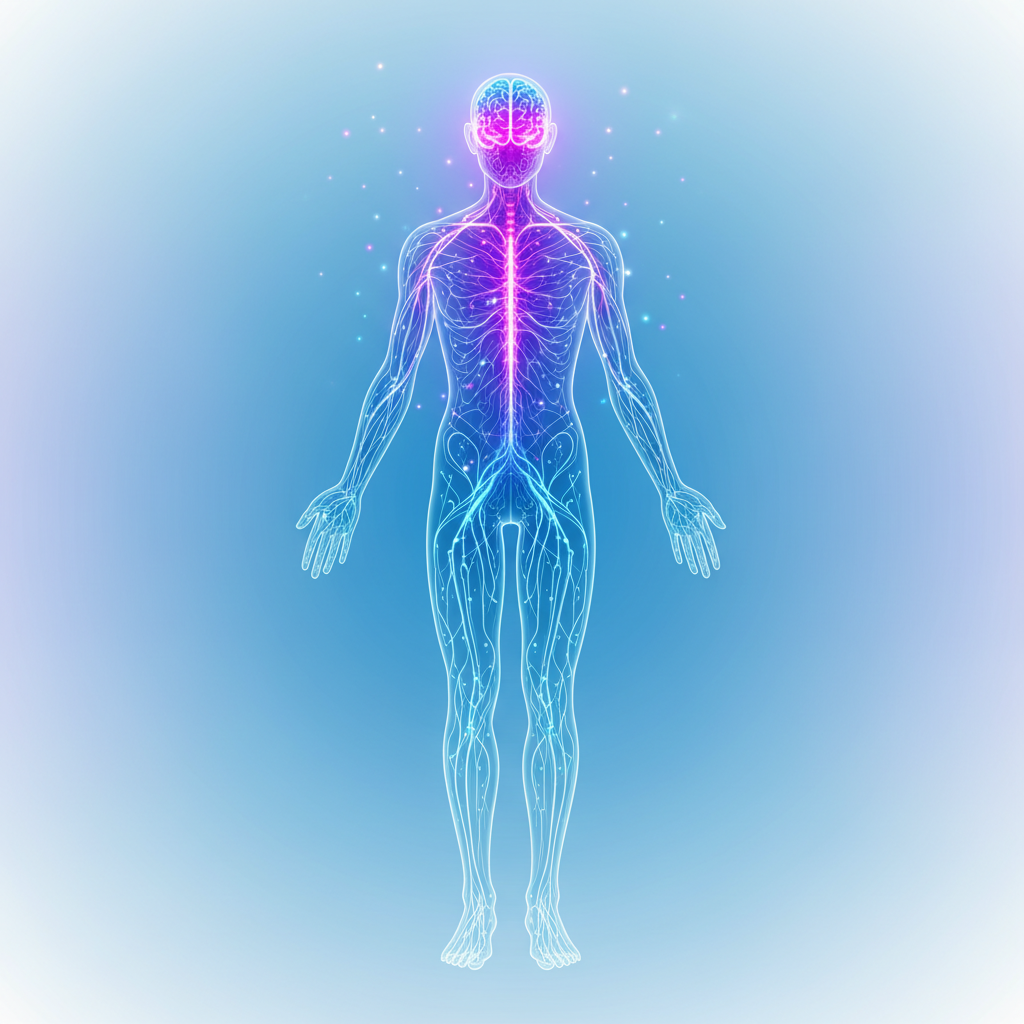 The controlled hyperventilation triggers your sympathetic nervous system, releasing adrenaline that suppresses inflammatory cytokines (IL-6, IL-8, TNF-α)—this is the mechanism behind the reduced flu-like symptoms observed in studies
How Does It Work?
The breathing technique creates temporary respiratory alkalosis by reducing CO2 levels in the blood. This triggers several physiological responses:
1. Sympathetic Activation
The controlled hyperventilation activates your fight-or-flight response, releasing adrenaline and noradrenaline. This is why many practitioners feel energized and alert after a session.
2. Anti-Inflammatory Effects
The released adrenaline appears to suppress the production of inflammatory cytokines. This could have implications for autoimmune conditions, though more research is needed.
3. Improved Stress Tolerance
Regular practice may improve your ability to handle stressful situations by training your autonomic nervous system to shift between sympathetic and parasympathetic states more efficiently.
What About HRV?
Heart Rate Variability (HRV) is increasingly used as a marker of autonomic nervous system health. Several smaller studies have examined WHM's effects on HRV:
- Acute effects: During the breathing exercise, HRV typically decreases (sympathetic dominance)
- Recovery effects: After the practice, many show improved parasympathetic activity
- Long-term effects: Regular practitioners often show higher baseline HRV
However, more rigorous studies are needed to confirm these observations.
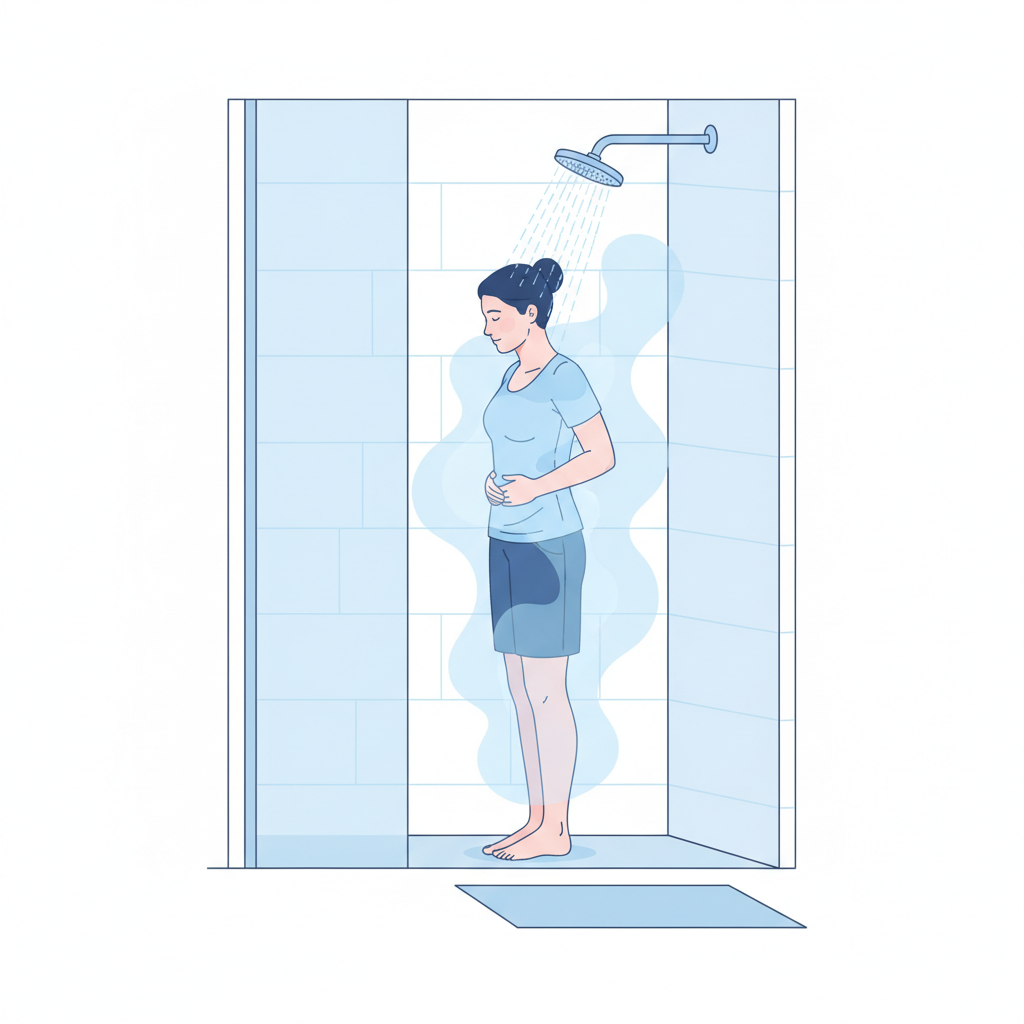 Cold exposure activates brown adipose tissue, increases dopamine and norepinephrine, and trains your body to thermoregulate more efficiently—start with 30 seconds of cold at the end of your shower and build from there
Cold Exposure Benefits
While this article focuses on breathing, the cold exposure component also has scientific support:
- Brown fat activation - Increases metabolic rate
- Reduced inflammation - Similar mechanisms to the breathing
- Improved mood - May increase dopamine and norepinephrine
- Better recovery - Athletes use cold exposure for muscle recovery
Limitations and Cautions
What the Science Doesn't Support
- Curing specific diseases
- Replacing medical treatment
- Claims of immunity to all pathogens
Safety Considerations
The WHM breathing technique should never be practiced:
- In or near water (drowning risk)
- While driving
- Standing up (fainting risk)
- If you have cardiovascular conditions (consult a doctor first)
- During pregnancy
Practical Takeaways
Based on current evidence, the Wim Hof Method may:
- Enhance stress resilience through autonomic training
- Temporarily boost immune response when facing acute challenges
- Improve mental focus via controlled sympathetic activation
- Increase cold tolerance with regular practice
How to Get Started Safely
If you're interested in trying the WHM:
- Start with guided sessions (the official Wim Hof app or YouTube tutorials)
- Always practice lying down in a safe environment
- Begin with fewer breaths (20) and shorter holds
- Never force breath holds - listen to your body
- Consult a healthcare provider if you have any medical conditions
References
-
Kox M, et al. (2014). Voluntary activation of the sympathetic nervous system and attenuation of the innate immune response in humans. PNAS, 111(20), 7379-7384.
-
Muzik O, et al. (2018). "Brain over body"–A study on the willful regulation of autonomic function during cold exposure. NeuroImage, 172, 632-641.
-
Buijze GA, et al. (2016). The Effect of Cold Showering on Health and Work: A Randomized Controlled Trial. PLOS ONE, 11(9).
Want to track your breathwork progress and HRV improvements? Safe-Flow integrates with your wearables to show you real data on how practices like WHM affect your physiology over time.
Join the Beta
Be among the first to experience Safe-Flow. Get early access + exclusive breathing guides.