
Huberman Lab & Breathwork: Critical Guide to the Best Episodes
Dr. Andrew Huberman, a Stanford neuroscientist, has become one of the most influential voices in health science communication. His podcast frequently covers breathwork—but what is the actual quality of this content?
 6 episodes analyzed, scores from 3.0/5 to 4.6/5. Key finding: academic guests (Feldman, Spiegel, Epel) score highest for rigor, while commercial guests (Mackenzie) have significant conflicts of interest to consider
This guide ranks key episodes from best to worst with a critical eye: direct links, rating system, and honest evaluation of guests.
Rating System
Each episode is rated on 5 criteria (★ to ★★★★★):
| Criterion | What We Evaluate |
|---|---|
| Scientific Rigor | Studies cited, nuance, acknowledgment of limitations |
| Applicability | Concrete and realistic protocols |
| Accessibility | Clarity for non-experts |
| Objectivity | Absence of commercial or promotional bias |
| Guest Expertise | Publications, academic recognition |
#1: Elissa Epel — Stress, Breathing & Cellular Aging ⭐ 4.6/5
 Dr. Elissa Epel on Huberman Lab
Dr. Elissa Epel: Control Stress for Healthy Eating, Metabolism & Aging
Duration: 2h03 | Guest: Dr. Elissa Epel | Date: April 2023
About the Guest
Dr. Elissa Epel is Professor and Vice Chair of Psychiatry at UCSF, co-author of "The Telomere Effect" with Nobel Laureate Elizabeth Blackburn, and author of "The Stress Prescription."
| Aspect | Evaluation |
|---|---|
| Academic publications | Highly cited researcher (top 0.1% globally) |
| H-index | Very high (60,000+ citations) |
| Conflicts of interest | Book sales, but no breathwork products |
| Recognition | Member of the National Academy of Medicine |
Rating
| Criterion | Score | Comment |
|---|---|---|
| Scientific Rigor | ★★★★★ | World-class stress researcher |
| Applicability | ★★★★☆ | Practical stress management tools |
| Accessibility | ★★★★★ | Clear, engaging communication |
| Objectivity | ★★★★☆ | Minimal commercial bias |
| Guest Expertise | ★★★★★ | Leading authority on stress and aging |
Overall Score: 4.6/5
Strengths
- Pioneer in stress-telomere research—groundbreaking work on cellular aging
- Discusses breathwork (including Wim Hof) from a scientific perspective
- Explains how stress interventions work at the cellular level
- Very honest about what we know and don't know
Questionable Points
- Less focused specifically on breathing techniques
- Some overlap with general stress management content
- Book promotion present but not excessive
Takeaway
The best episode for understanding stress and breathwork from a rigorous scientific perspective. Epel brings world-class credentials and explains the science behind why breathwork affects cellular aging. Essential viewing for anyone interested in the science of stress reduction.
#2: Deliberate Cold Exposure (Solo) ⭐ 4.4/5
 Deliberate Cold Exposure - Huberman Lab
Using Deliberate Cold Exposure for Health and Performance
Duration: 2h12 | Type: Solo episode | Date: April 2022
Rating
| Criterion | Score | Comment |
|---|---|---|
| Scientific Rigor | ★★★★★ | Thorough research citations, nuanced presentation |
| Applicability | ★★★★★ | Very concrete protocols with specific numbers |
| Accessibility | ★★★★★ | Excellent pedagogy, clear explanations |
| Objectivity | ★★★☆☆ | Sponsor promotions at start (AG1, etc.) |
| Expertise | ★★★★☆ | Neuroscientist, expert in adjacent fields |
Overall Score: 4.4/5
Strengths
- Comprehensive scientific coverage—dopamine, norepinephrine, metabolism mechanisms
- Specific protocols: temperature ranges, duration, timing, frequency
- Explains the difference between cold for mood vs. performance vs. recovery
- Addresses common mistakes (rewarming too quickly, timing around workouts)
- Covers glabrous skin cooling for performance enhancement
Questionable Points
- Recurring sponsors promoted at the start (AG1, LMNT)
- Very long episode—may be overwhelming for beginners
- Some extrapolations from animal studies to humans
Key Protocols
- For mood/alertness: 1-3 min cold exposure, any time of day
- For metabolism: Allow natural rewarming (no hot shower after)
- For recovery: Wait 4+ hours after strength training
- Temperature: Cold enough to make you want to get out but safe to stay in
- Frequency: 11 min/week total, divided across sessions
Takeaway
The definitive Huberman episode on cold exposure. Scientifically rigorous, immediately actionable, and covers both the mechanisms and practical applications. Essential viewing for anyone interested in using cold for health benefits.
#3: Jack Feldman — The Neuroscientist of Breathing ⭐ 4.2/5
 Dr. Jack Feldman on Huberman Lab
Dr. Jack Feldman: Breathing for Mental & Physical Health
Duration: 2h45 | Guest: Dr. Jack Feldman | Date: January 2022
About the Guest
Dr. Jack Feldman is a professor of neurobiology at UCLA, discoverer of the "preBötzinger complex"—the respiratory rhythm generator in the brain.
| Aspect | Evaluation |
|---|---|
| Academic publications | 300+ peer-reviewed articles |
| H-index | ~80 (very high) |
| Conflicts of interest | None identified |
| Recognition | Member of the National Academy of Sciences |
Rating
| Criterion | Score | Comment |
|---|---|---|
| Scientific Rigor | ★★★★★ | World expert, very nuanced |
| Applicability | ★★★☆☆ | More theoretical than practical |
| Accessibility | ★★★☆☆ | Technical at times |
| Objectivity | ★★★★★ | No apparent conflict of interest |
| Guest Expertise | ★★★★★ | World authority on the subject |
Overall Score: 4.2/5
Strengths
- Maximum credibility—40 years of breathing research
- Explains actual neural mechanisms
- Very honest about what we don't know yet
- No products to sell
Questionable Points
- Episode harder to follow for non-experts
- Fewer immediately practical protocols
- May seem "dry" compared to other guests
Takeaway
This is the most scientifically solid episode on the list. Feldman is a true expert with an impeccable career. If you want to understand the deep science, this is the one.
My personal favorite — This episode completely changed how I think about breathing. Feldman's humility and scientific rigor are refreshing in a space full of hype.
#4: David Spiegel — The Stanford Cyclic Sighing Study ⭐ 4.2/5
 Dr. David Spiegel on Huberman Lab
Dr. David Spiegel: Using Hypnosis to Enhance Health & Performance
Duration: 2h30 | Guest: Dr. David Spiegel | Date: January 2024
About the Guest
Dr. David Spiegel is a professor of psychiatry at Stanford, director of the Center on Stress and Health, co-author of the cyclic sighing study.
| Aspect | Evaluation |
|---|---|
| Academic publications | 400+ peer-reviewed articles |
| H-index | ~100 (exceptional) |
| Conflicts of interest | Co-founder of Reveri (paid hypnosis app) |
| Recognition | Major figure in psychiatry |
Rating
| Criterion | Score | Comment |
|---|---|---|
| Scientific Rigor | ★★★★★ | Presents his own study with nuance |
| Applicability | ★★★★☆ | Simple cyclic sighing technique |
| Accessibility | ★★★★☆ | Clear despite complexity |
| Objectivity | ★★★☆☆ | Promotes his app Reveri |
| Guest Expertise | ★★★★★ | Leading researcher |
Overall Score: 4.2/5
Strengths
- Presents the original study published in Cell Reports Medicine
- Explains why cyclic sighing beat meditation in the study
- Very honest about research limitations
- Transparent methodology
Questionable Points
- Co-founder of Reveri, a paid hypnosis app (conflict of interest)
- The study had limitations (self-selected sample, 28 days)
- May give the impression that cyclic sighing is "the" universal solution
Takeaway
Excellent scientific episode, but keep in mind that Spiegel has commercial interests in the mental wellness space.
#5: Breathing Fundamentals (Solo) ⭐ 4.2/5
 How to Breathe Correctly - Huberman Lab
How to Breathe Correctly for Optimal Health, Mood, Learning & Performance
Duration: 2h16 | Type: Solo episode | Date: February 2023
Rating
| Criterion | Score | Comment |
|---|---|---|
| Scientific Rigor | ★★★★☆ | Good references, some generalizations |
| Applicability | ★★★★★ | Very clear and testable protocols |
| Accessibility | ★★★★★ | Excellent pedagogy |
| Objectivity | ★★★☆☆ | Promotes his sponsors (AG1, etc.) |
| Expertise | ★★★★☆ | Neuroscientist, but not a breathing specialist |
Overall Score: 4.2/5
Strengths
- Clear explanation of the physiological sigh
- Well-documented nasal vs. mouth breathing distinction
- Immediately applicable protocols
Questionable Points
- Sometimes generalizes animal studies to humans
- Sponsors (Athletic Greens/AG1, LMNT) promoted at the start
- Doesn't always cite study limitations
Key Protocols
- Physiological sigh: Double nasal inhale + long mouth exhale
- Box breathing: 4-4-4-4 seconds
- Cyclic hyperventilation: 25-30 breaths for alertness
Takeaway
The best starting point for beginners. Covers all the basics with clear protocols. Just be aware of the sponsor promotions.
#6: Brian Mackenzie — The Performance Coach ⭐ 3.0/5
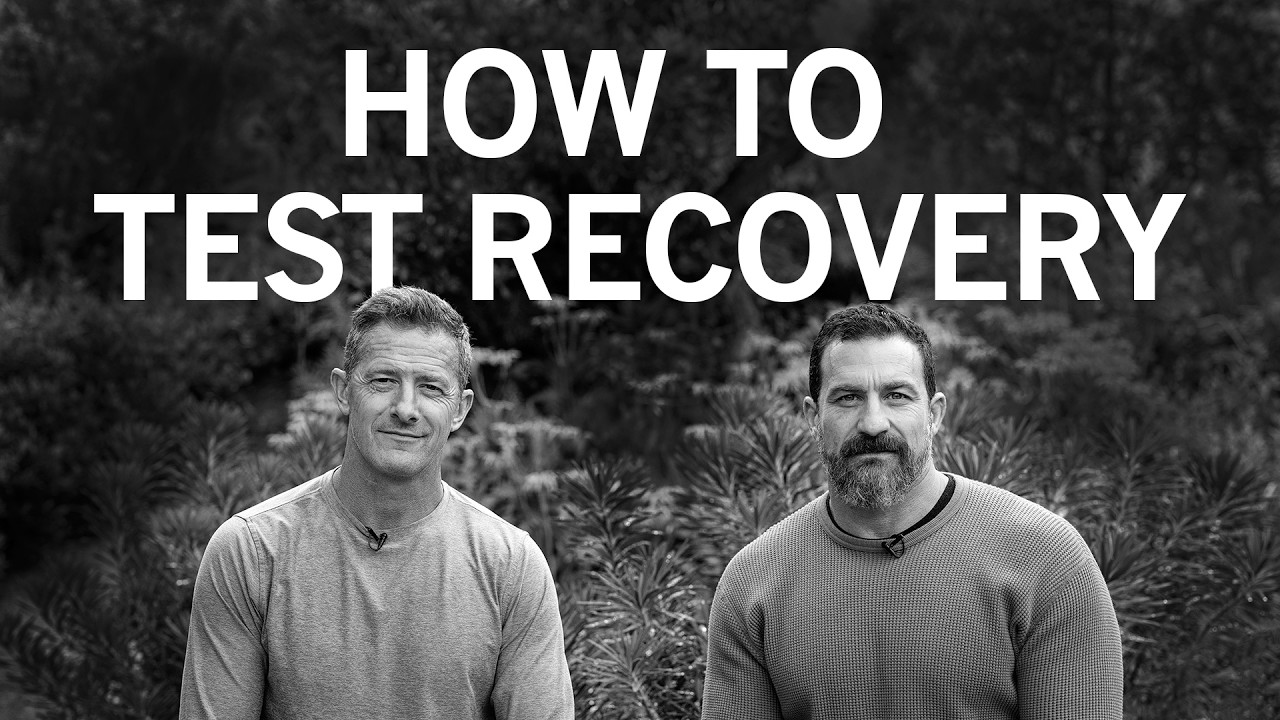 Brian Mackenzie on Huberman Lab
Assess Recovery & Internal State With the CO2 Tolerance Test | Full Episode (Apple Podcasts)
Duration: 12min | Type: Huberman Lab Clip | Date: July 2024
About the Guest
Brian Mackenzie is a performance coach, founder of "The Art of Breath," and co-author of "Unplugged."
| Aspect | Evaluation |
|---|---|
| Academic publications | No peer-reviewed publications |
| Field expertise | 15+ years coaching elite athletes |
| Conflicts of interest | Sells trainings, certifications, equipment |
| Recognition | Recognized in CrossFit world, not academic |
Rating
| Criterion | Score | Comment |
|---|---|---|
| Scientific Rigor | ★★☆☆☆ | Many unsourced claims |
| Applicability | ★★★★★ | Very concrete protocols for athletes |
| Accessibility | ★★★★☆ | Clear language, practical examples |
| Objectivity | ★★☆☆☆ | Actively promotes his products |
| Guest Expertise | ★★☆☆☆ | Practical experience, no research |
Overall Score: 3.0/5
Strengths
- Protocols tested on high-level athletes
- Very practical and performance-oriented approach
- Explains physical sensations well
Questionable Points
- No scientific publications to support his methods
- Sells "Art of Breath" certifications (several thousand dollars)
- Equipment brand partnerships
- Some claims about "CO2 tolerance" are oversimplified
- Tendency to present his methods as superior without comparison
Takeaway
Useful for athletes seeking practical protocols, but take with critical distance. Claims aren't always scientifically verified.
Summary Table
| Rank | Episode | Guest | Expertise | Conflicts | Score |
|---|---|---|---|---|---|
| 1 | Stress & Aging | Elissa Epel (UCSF) | ★★★★★ | Book sales | 4.6/5 |
| 2 | Cold Exposure | Solo (Huberman) | ★★★★☆ | Podcast sponsors | 4.4/5 |
| 3 ❤️ | Breathing Science | Jack Feldman (UCLA) | ★★★★★ | None | 4.2/5 |
| 4 | Cyclic Sighing | David Spiegel (Stanford) | ★★★★★ | Reveri app | 4.2/5 |
| 5 | Breathing Basics | Solo (Huberman) | ★★★★☆ | Podcast sponsors | 4.2/5 |
| 6 | Performance | Brian Mackenzie | ★★☆☆☆ | Trainings, equipment | 3.0/5 |
Recommendations by Profile
If you want pure science
→ Jack Feldman (★★★★★ expertise, no conflicts)
If you want to understand stress & cellular aging
→ Elissa Epel (★★★★★ expertise, top-rated episode)
If you want practical protocols
→ Breathing Fundamentals solo episode (best science/application ratio)
If you want to understand the Stanford study
→ David Spiegel (study author, despite the Reveri conflict)
If you want cold exposure science
→ Cold Exposure Solo Episode (comprehensive protocols, solid science)
Avoid if you're looking for rigor
→ Brian Mackenzie (too many conflicts, no publications)
 Important context: Huberman's actual expertise is vision neuroscience, not breathing. With $5-10M/year in podcast revenue and recurring sponsors (AG1, LMNT), his content is excellent popularization but should not replace peer-reviewed literature
Note on Andrew Huberman Himself
Profile
- Position: Associate Professor of Neurobiology at Stanford
- Publications: ~100 peer-reviewed articles (on vision, not breathing)
- H-index: ~40 (respectable)
- Actual specialty: Neuroscience of vision and visual circuits
Strengths
- Excellent science communicator
- Generally cites his sources
- Long format allows for nuance
Conflicts of Interest to Know
- Recurring sponsors: AG1 (Athletic Greens), LMNT, InsideTracker, Momentous
- Estimated revenue: $5-10M/year via the podcast
- Some sponsors sell products with contested efficacy
Questionable Points
- His specialty is vision, not breathing—he popularizes others' work
- Sometimes accused of simplifying or over-interpreting studies
- Protocols presented as "science-based" are sometimes extrapolations
- Doesn't always mention when a study is preliminary or on animals
Conclusion
The Huberman Lab is an excellent science communication resource, but it's not scientific literature.
Rules for using these episodes well:
- Do: Verify cited sources before applying
- Do: Prefer episodes with academic guests (Feldman, Spiegel, Epel)
- Caution: Be vigilant with guests who sell trainings
- Caution: Distinguish inspiration from information
- Avoid: Don't take a podcast as medical reference
Want to measure the real effect of these protocols on your body? Safe-Flow lets you track your HRV before and after breathwork sessions—objective data rather than subjective feelings.
Join the Beta
Be among the first to experience Safe-Flow. Get early access + exclusive breathing guides.